

Managing Deer in the High Weald
Managing Deer in the High Weald: Balancing Wildlife and Landscape Health
The High Weald National Landscape, spanning parts of Kent, West Sussex and East Sussex, is one of England’s most distinctive and valuable countryside areas. Characterised by ancient woodlands, small irregular fields, hedgerows and historic settlements, the High Weald supports a rich variety of wildlife and habitats shaped by centuries of traditional land management. However, this same landscape also provides ideal conditions for wild deer, and as populations continue to rise, effective deer management has become an increasingly important consideration for landowners and land managers across Sussex.
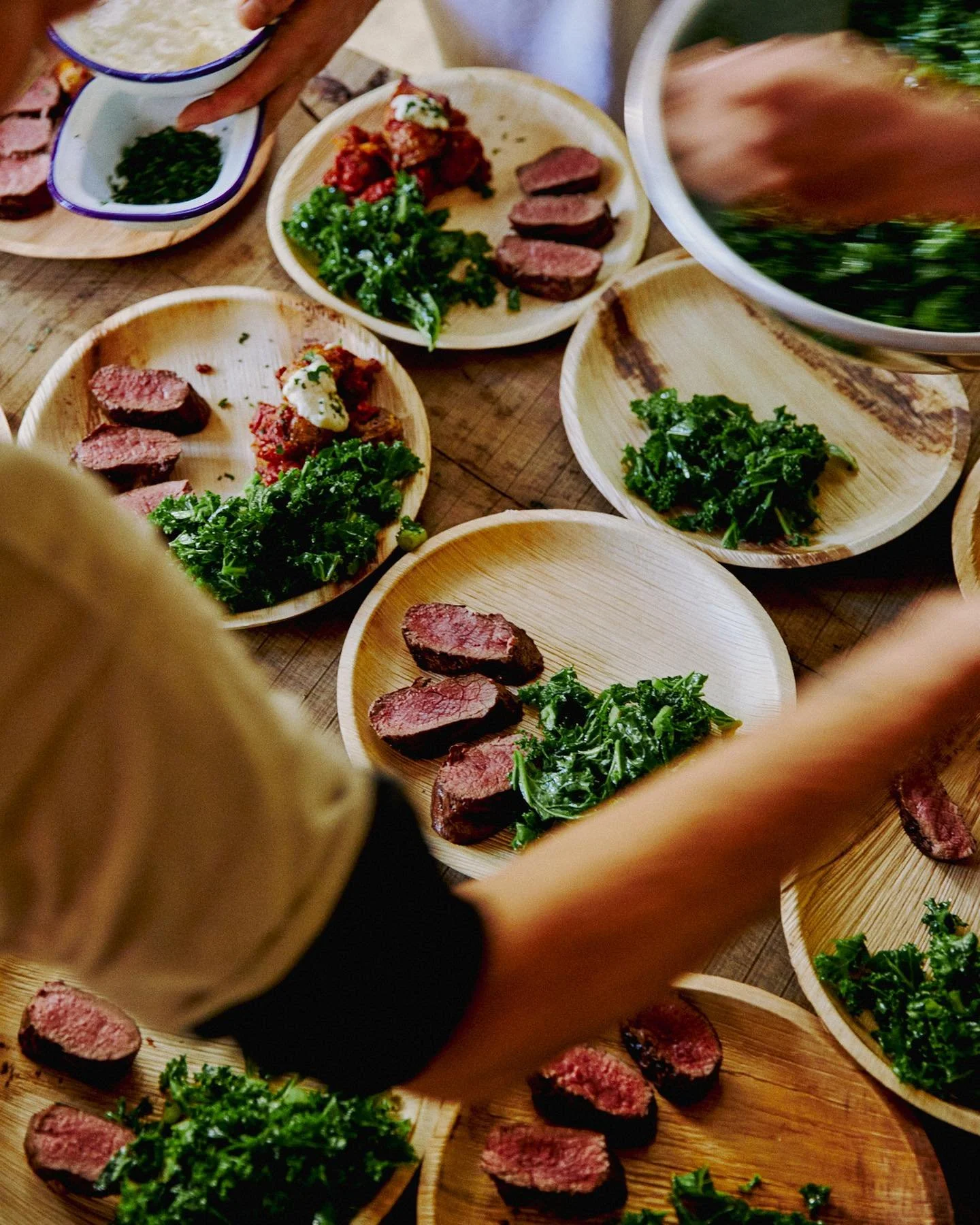
Incredible Sussex venison loin
Why Deer Matter in the High Weald
Deer are an integral part of the High Weald’s ecology. Native species such as roe deer have been present since the last Ice Age, while fallow and muntjac deer have become firmly established over the past centuries. With extensive woodland cover, sheltered valleys and plentiful food sources, the High Weald offers excellent habitat for deer to thrive. While deer play a natural role in shaping vegetation, unchecked population growth can place significant pressure on the landscape.
The Impact of High Deer Numbers
Across the UK, deer numbers are now higher than at any point in modern history, and the High Weald is no exception. Elevated deer populations can have a noticeable impact on both land and wildlife. Persistent browsing of young trees and woodland understory can prevent natural regeneration, leading to simplified woodland structure and reduced biodiversity. Many woodland plants, birds and insects rely on a varied understory, which struggles to recover when grazing pressure is too high.
In agricultural settings, deer grazing and trampling can result in crop damage and loss of pasture productivity, creating ongoing challenges for farmers and smallholders. In addition, increasing deer numbers have contributed to a rise in vehicle collisions on rural roads throughout Sussex, posing risks to both motorists and wildlife. Taken together, these impacts highlight why responsible deer management is essential to maintaining a healthy and resilient landscape.
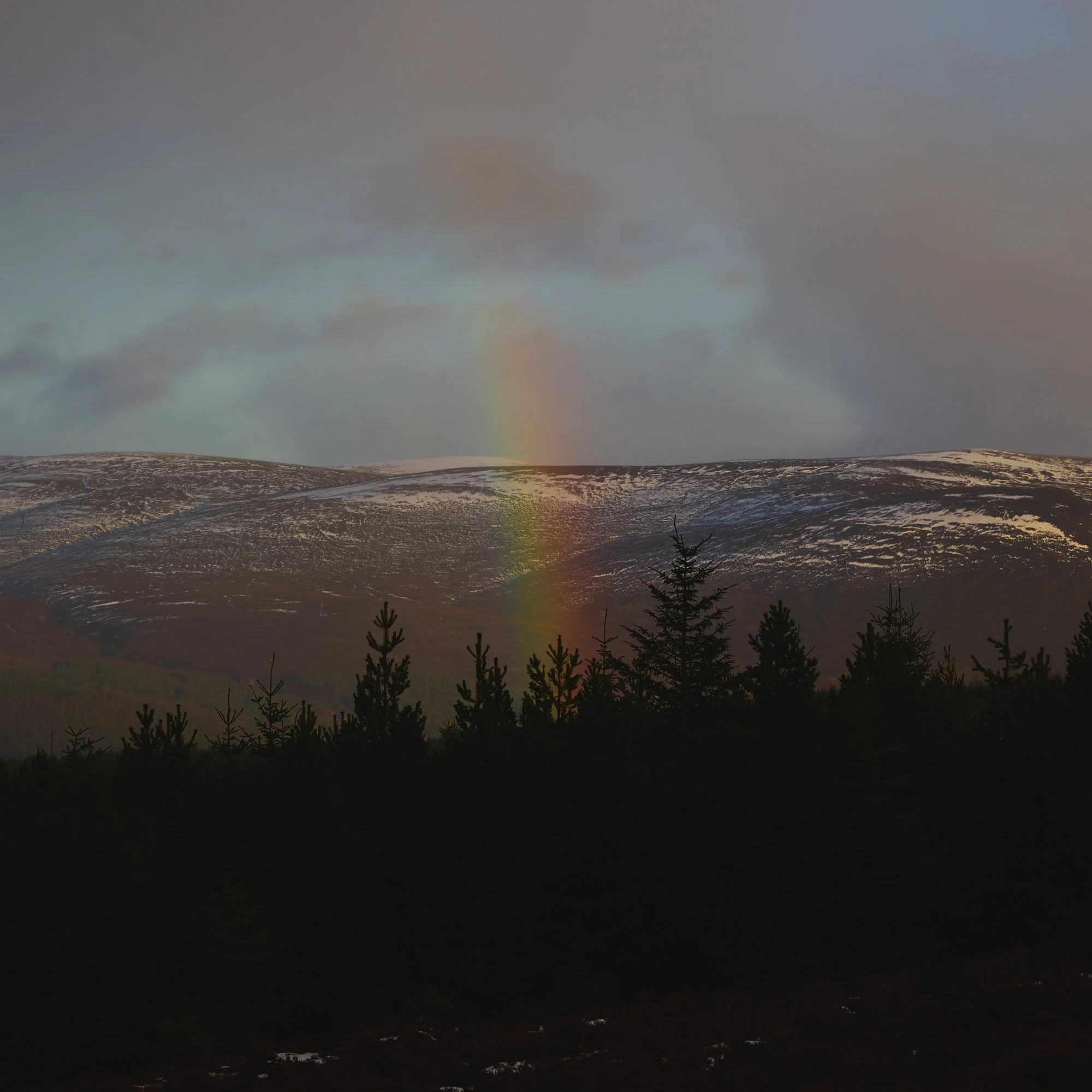
cold winter landscape and rainbow
Best Practices in Deer Management for Sussex Landowners
Sustainable deer management in the High Weald requires a balanced and informed approach that considers both ecological and practical factors.
Understanding the behaviour and ecology of different deer species is a vital first step. Roe deer tend to be more territorial and solitary, while fallow deer often move in larger groups and range across wider areas. Muntjac, though small, breed frequently and can exert significant pressure on woodland ground flora. Identifying which species are present and how they use the land allows management strategies to be tailored effectively.
Collaboration is also key. The High Weald landscape is made up of many neighbouring properties, and deer do not respect boundary lines. Working with local deer stalkers and participating in deer management groups helps coordinate efforts across wider areas. These partnerships support knowledge sharing, consistent management objectives and improved outcomes for both wildlife and landowners.
Culling, when carried out responsibly and humanely, remains an essential tool for managing deer populations at sustainable levels. The aim is not eradication, but balance, ensuring that deer numbers align with what the landscape can support. Using qualified, experienced professionals ensures that all activity is conducted legally, ethically and with minimal disturbance to the wider environment.
An additional benefit of responsible deer management is the use of venison as a sustainable by-product. Locally sourced venison provides a nutritious, low-impact food source and supports the principle of making full use of animals taken as part of essential management work. In the High Weald, local initiatives help connect venison supply with local markets, reinforcing the value of well-managed deer populations.

Ancient woodlands in Sussex
The Wider Benefits of Deer Management in Sussex
Effective deer management delivers long-term benefits that extend beyond individual landholdings. Healthier woodlands are better able to regenerate naturally, supporting greater plant diversity and stronger ecosystems. Farms and estates experience reduced grazing pressure and improved land productivity. Rural roads become safer as deer numbers are brought back into balance. Most importantly, the distinctive character and biodiversity of the High Weald landscape can be protected for future generations.
By understanding local conditions, working collaboratively and applying thoughtful management practices, landowners across Sussex can play a vital role in maintaining both healthy deer populations and a thriving countryside.
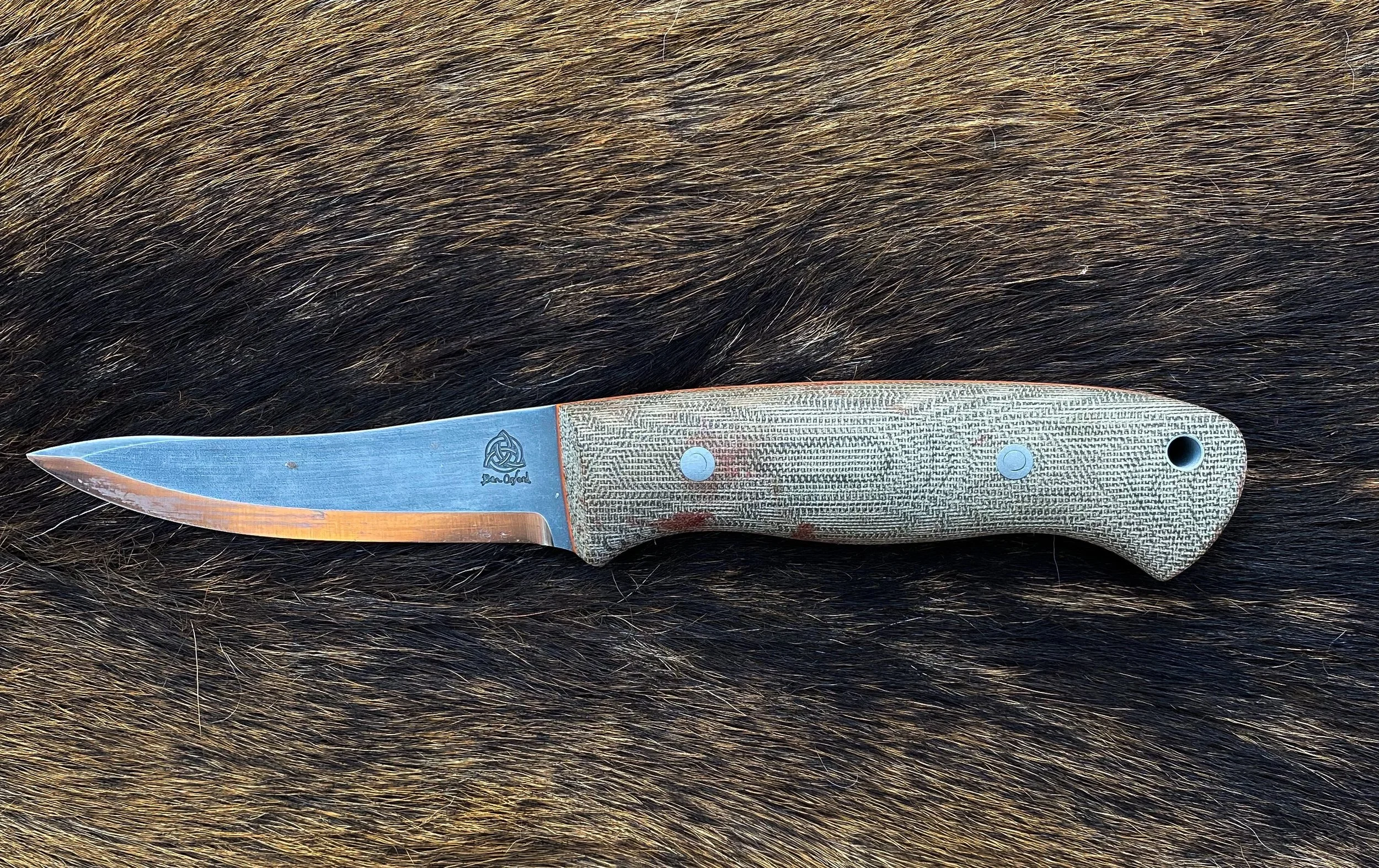
Deer hide and knife